

A process‑driven approach to business credit: clear scope, compliant terms, and measurable cash protection for 2026.
In January, discipline beats its appetite. Business credit should serve operations, not distract them. The test is simple: can your credit arrangements be read, audited, and linked to outcomes on one page? If not, redesign the process before you increase the limits.
Define Scope and Guardrails
Start with scope: what activities will credit fund in Q1—inventory, fleet maintenance, marketing tests, or vendor prepayments? Set guardrails for each: ceiling, expected payback window, and stop criteria. Document approvals and owners. When multiple teams touch spends, require a single operating owner to avoid diffusion.
Terms, Compliance, and Documentation
For every instrument—card, line, or vendor term—record the core fields: APR range or fees, billing cycle, grace periods, late penalties, and covenants. Store statements and receipts in a structured folder with standardized names. Assign one person to reconcile monthly and produce a two‑paragraph variance note. Compliance is not paperwork; it is risk control.
KPIs That Keep Credit Honest
Measure what credit is supposed to be enabled. Track cash conversion cycle, on‑time payments, and a simple payback expectation per funded activity. If marketing spend is funded, define an evidence threshold before renewal—qualified leads, conversion signals, or unit economics that are trending to plan. If the signal is soft, route the item to test or pause; do not roll problems forward with fresh credit.
Mini‑Case: A Structured Card Program for a Three‑Truck Service Firm
A small service operator in Atlanta used one corporate card for everything—fuel, parts, and ad tests—creating confusion. In January, the manager created a card hierarchy: fuel‑only cards with weekly limits for drivers; a parts card owned by operations; a marketing card with a strict test budget. Each card had named owners, ceilings, and a reconciliation checklist. Within six weeks, late fees disappeared, inventory turns improved, and ad decisions were made against evidence rather than habit.
Decision Framework: Fund, Test, or Stop
Before you draw on any instrument, sort out the request: Fund if the activity has a defined scope, owner, and a believable path to payback within two quarters. Test if the thesis is promising, but evidence is incomplete—set a cap, timeline, and exit criteria. Stop if neither scope nor evidence is credible. Publish the decision with owner names; transparency prevents drift.
Actionable Takeaways
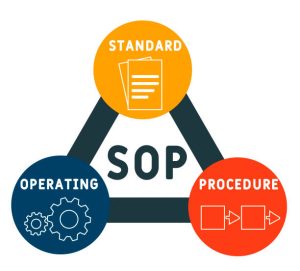
• Write a one‑page Credit SOP: instruments, owners, ceilings, reconciliation cadence.
• Establish a 13‑week cash view and a liquidity floor before increasing any limits.
• Segment spend by cards or accounts (fuel, parts, marketing) with named owners and weekly caps.
• Standardize statement storage and monthly variance notes; audit by the 5th business day.
• Tie each funded activity to a payback expectation and stop criteria; renew only on evidence.
• Prioritize vendor terms that reward on‑time performance; renegotiate where value is unclear.
• Run a Thursday decisions meeting: approve Fund/Test/Stop items and publish names and dates.
Credit is a tool, not a trophy. Treat it with structure, test against evidence, and keep cash protections visible. If you start January with clarity and cadence, the rest of 2026 will benefit from the order you build today.
Contributing Writer: Priya Nair
The Architect of Order
Atlanta
priya.nair@askige.com | askige.com